
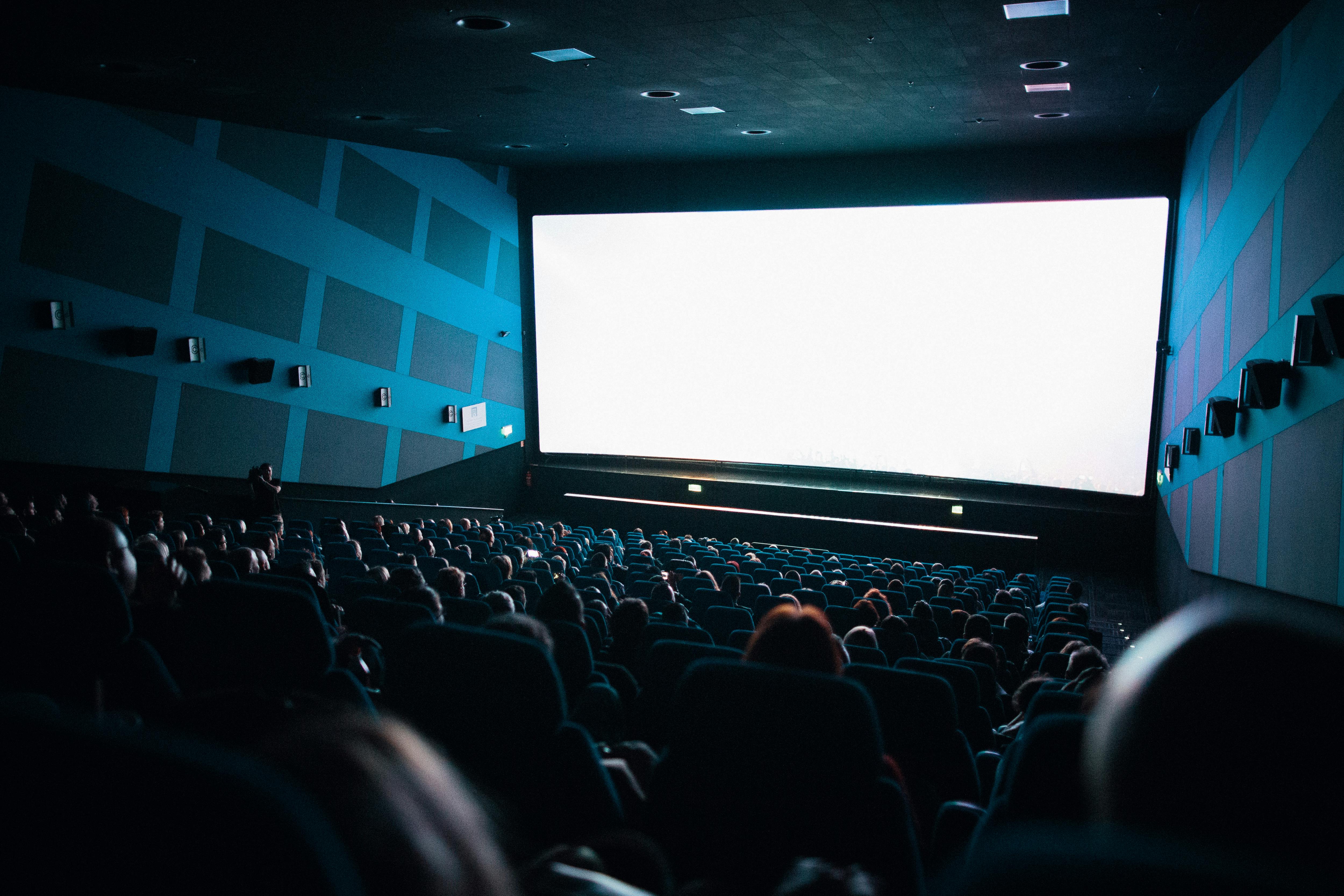
Nigeria Cinema Day 2026 offered ₦3,000 movie tickets and a surprising lesson for Nollywood: affordable cinema experiences could help bring audiences back to theatres and revive Nigeria's moviegoing community.
There is something magical about watching a film in a crowded cinema. The laughter that fills the room during a comedy, the collective gasp during an unexpected plot twist, and the conversations that continue long after the credits roll are experiences that no streaming platform can fully recreate.
But for many Nigerian movie lovers, the question is no longer simply which film deserves a trip to the cinema. It is whether that trip fits comfortably into their budget.
On September 26, 2026, Nigeria Cinema Day offered a glimpse of what could happen when the price of admission becomes less of an obstacle. Participating cinemas reduced ticket prices to a flat ₦3,000, creating an opportunity for audiences to enjoy films on the big screen at a more accessible price.
By the end of the weekend, the box-office results had given filmmakers, cinema operators and distributors something worth discussing.
Could affordable tickets be one of the keys to rebuilding Nigeria's moviegoing culture?
The ₦3,000 experiment that got people talking
Organised by the Cinema Exhibitors Association of Nigeria (CEAN) alongside industry stakeholders, Nigeria Cinema Day was designed to celebrate the theatrical experience and encourage more people to visit cinemas.
The 2026 edition arrived at a particularly interesting moment for Nollywood.
While Nigerian cinema continues to produce ambitious films and reach audiences internationally, watching movies in theatres remains a financial decision for many households.
A cinema outing is rarely just about the ticket. Transportation, refreshments and the cost of bringing friends or family members can turn a simple afternoon of entertainment into a significant expense.
Against that backdrop, the ₦3,000 promotion became more than a discount. It provided an opportunity to examine how ticket prices influence audience behaviour.
And according to a September 29 analysis by Fusion Intelligence Technologies, the results were encouraging.
What the box-office numbers revealed
Fusion Intelligence Technologies reported that every participating title included in its Cinema Day comparison recorded an increase in gross revenue over the preceding weekend.
Most films outside the promotion experienced declines, with Call of My Life emerging as a notable exception.
The September 25–27 box-office weekend also delivered an interesting contest.
Star Lomo led the chart with ₦28.9 million from 5,080 admissions, narrowly ahead of Avengers: Endgame Encore, which collected ₦28.2 million from 4,876 admissions.
Spider-Man: Brand New Day finished third with approximately ₦20 million, ending its nine-week run at the top of the reported rankings.
What makes the results particularly interesting is that participating films recorded gains during a promotion offering lower ticket prices.
In other words, selling tickets for less did not necessarily mean generating less box-office revenue.
The findings suggest that increased admissions can potentially compensate for lower revenue per ticket, particularly when audiences are sensitive to price.
However, the reported totals cover the full September 25–27 weekend, not exclusively the September 26 promotion. They should therefore be viewed as evidence of a promising audience response rather than definitive proof of the financial impact of discounted tickets.
Perhaps Nigerians have not fallen out of love with the cinema
It is tempting to attribute changing moviegoing habits entirely to the popularity of streaming platforms.
With Nollywood films now reaching audiences through YouTube and other digital services, viewers have more entertainment options than ever before.
Why travel to a cinema when a movie can be enjoyed from the comfort of home?
Yet the Cinema Day results raise another possibility.
What if many Nigerians still love the cinema experience but have simply become more selective about what they can afford?
The distinction matters.
A person who chooses not to attend a screening because of the ticket price is not necessarily someone who has lost interest in cinema. That viewer may still appreciate the excitement of a theatrical release, the atmosphere of an auditorium and the opportunity to enjoy a film with other people.
For Nollywood, this represents a potentially important audience that exhibitors could reach through more flexible pricing.
The challenge may not always be convincing people that cinemas are worth visiting. Sometimes, it may be making those visits financially realistic.
One complication that cannot be ignored
Despite the encouraging numbers, Nigeria Cinema Day 2026 was not without controversy.
Shortly before the promotion began, FilmOne withdrew its titles from the initiative, according to reporting by NollywoodCV.
EbonyLife Cinemas subsequently informed customers that affected FilmOne titles would no longer be available under the Cinema Day promotion. Customers who had already purchased tickets were offered refunds or the opportunity to exchange their tickets for another film.
The timing attracted particular attention because FilmOne was also involved in Black Market, which had a major screening event scheduled for September 26 at Tafawa Balewa Square in Lagos.
However, the available reporting did not establish that the screening event directly caused FilmOne's withdrawal.
The development highlighted a challenge facing large-scale cinema promotions: successful audience initiatives require cooperation among exhibitors, distributors and other industry participants.
It also means that the weekend cannot be treated as a perfectly controlled nationwide experiment.
Nevertheless, the contrasting results among participating and non-participating films provide an interesting starting point for future research into ticket pricing and attendance.
Could affordable movie nights become a Nollywood tradition?
Imagine a Nigerian cinema introducing affordable Nollywood screenings on quieter weekday evenings.
Picture families being able to enjoy a weekend movie together without the outing placing unnecessary pressure on their household budgets.
Or consider special screenings where fans of romantic comedies, historical dramas and beloved Nollywood stars gather to enjoy their favourite stories as a community.
These possibilities become more interesting when cinema operators begin treating pricing as a flexible tool rather than a fixed formula.
Discounted weekday tickets, family packages, student promotions and community screenings could potentially encourage additional visits during periods when attendance is usually lower.
For filmmakers, stronger attendance could translate into more conversations about theatrical releases, greater visibility for new productions and stronger word-of-mouth promotion.
For exhibitors, filling seats that might otherwise remain empty could create additional opportunities for revenue.
Of course, discounts must be carefully balanced against operating costs, distributor agreements and profitability. A successful one-day event does not automatically justify permanent price reductions.
But it does provide a reason to experiment.
Nollywood's greatest strength may still be its audience
Behind every box-office figure is a person who chose to spend time with a story.
It may be a couple looking for an entertaining evening, a group of friends excited about a new release, or a family hoping to share an experience they will remember long after leaving the theatre.
These individual decisions form the foundation of a thriving cinema culture.
Nollywood has always had a remarkable ability to tell stories that connect with everyday life. Its films explore love, family, ambition, tradition, friendship and the complicated realities of modern society.
But storytelling is only one part of the theatrical experience.
Audiences must also be able to access those stories.
That is why the conversation surrounding Nigeria Cinema Day matters beyond one weekend's revenue figures.
It asks whether the industry can find better ways to balance commercial sustainability with the financial realities of the people it hopes to entertain.
And perhaps most importantly, it reminds filmmakers and cinema operators that the audience should remain at the centre of every discussion about the future of Nigerian cinema.
The real success of Cinema Day may come afterward
Nigeria Cinema Day 2026 did not provide every answer to the challenges facing theatrical exhibition.
It did not establish the ideal ticket price for every cinema, nor did it prove that permanent discounts would automatically increase profitability.
What it offered was something more practical: an indication that affordability may influence moviegoing decisions enough to deserve further attention.
The next step is to determine whether carefully targeted promotions can encourage repeat visits, strengthen audience loyalty and make cinema attendance more consistent throughout the year.
For an industry that continues to expand its storytelling ambitions, that question deserves serious consideration.
Because rebuilding a moviegoing community is not simply about filling cinemas for one special day. It is about giving audiences compelling stories, memorable experiences and realistic opportunities to return again and again.
Perhaps Nigeria Cinema Day's most lasting contribution will be the reminder that the future of Nollywood does not rest solely on what happens in front of the camera.
It also depends on making room for the people sitting in front of the screen.
Join the conversation
Would you visit Nigerian cinemas more often if movie tickets were consistently affordable?
Would you prefer ₦3,000 weekday screenings, discounted family packages or special Nollywood community movie nights?
Share your thoughts in the comments below.
Sources
Source links used to research and verify this article:
- Fusion Intelligence Technologies — What Cinema Day Revealed About Nigerian Audiences
- The Nollywood Reporter — Nigeria Cinema Day Returns September 26 With ₦3,000 Tickets
- NollywoodCV — FilmOne Withdraws From Nigeria Cinema Day Hours Before Nationwide Discount
Featured image: Bence Szemerey / Pexels. Illustrative cinema photography, not an image of the Nigeria Cinema Day event.

No comments:
Post a Comment