
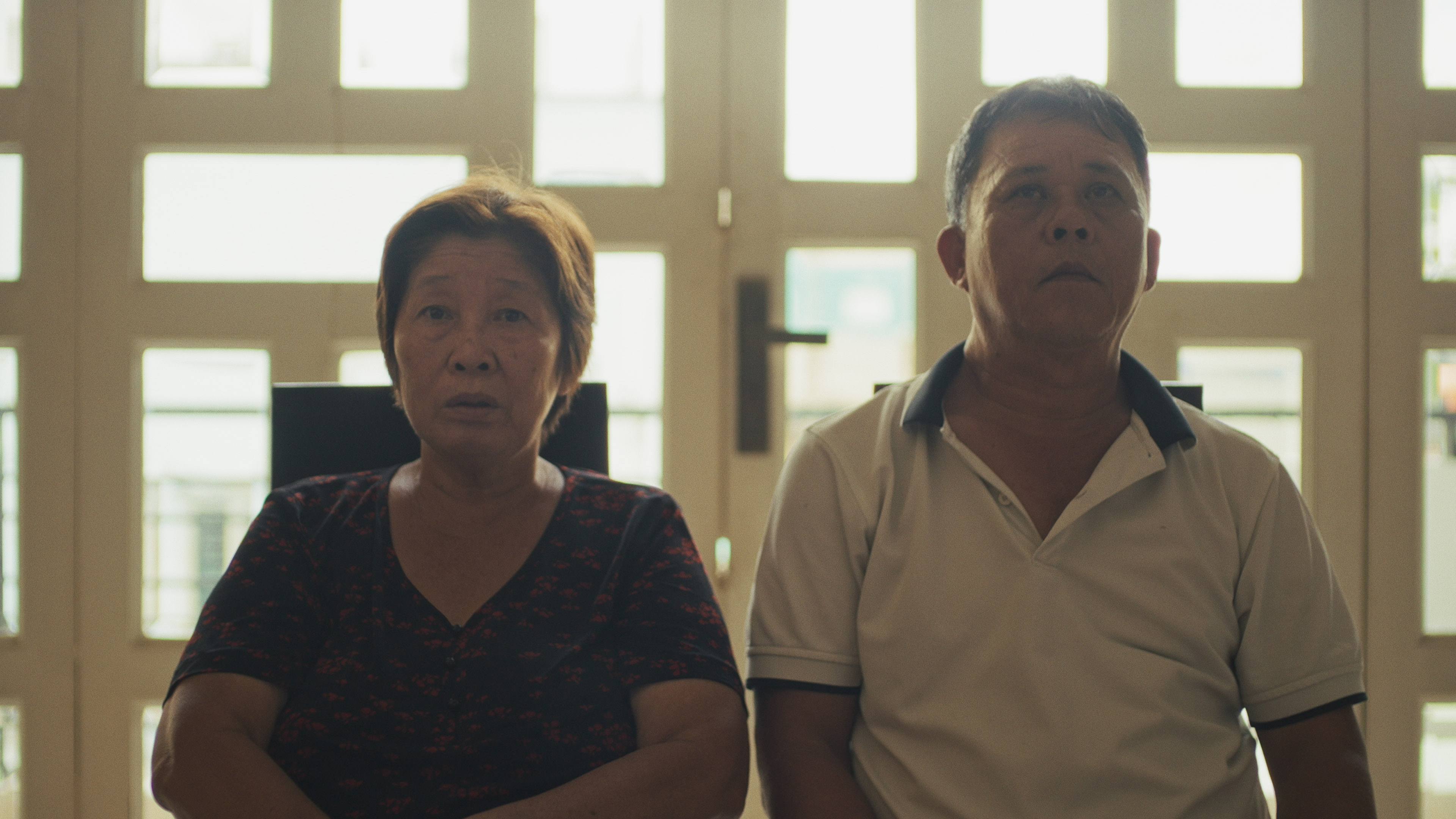
This Saigon Story Movie Review explores Kim Nguyen’s documentary on war photography, contested history, inherited trauma and the ethics of memory today.
A famous photograph may preserve a fraction of a second, but it cannot automatically explain the lives surrounding it. That tension drives Saigon Story: Two Shootings in the Forest Kingdom, Kim Nguyen’s 90-minute documentary about contested history, inherited trauma and the limits of visual evidence.
Now available free through the National Film Board of Canada’s platforms, the Noble Films and NFB co-production arrives with significant festival recognition. It won Best Canadian Feature Documentary at Hot Docs 2026, while Nguyen received DOXA’s Colin Low Award for Best Canadian Director.
Two families connected by one photograph
The documentary links two families through Eddie Adams’ influential 1968 photograph commonly known as “Saigon Execution.” Rather than treating the image as a complete historical record, Nguyen uses that connection to investigate what exists beyond its frame.
The film combines historical inquiry with intimate accounts of wartime trauma, exile, domestic violence and attempts at healing. Its central idea is compelling because it challenges the authority audiences often grant documentary images. A photograph can prove that a moment occurred, yet still leave motives, consequences and personal histories unresolved.
A Movie Review centred on memory and responsibility
Saigon Story is especially relevant at a time when photographs and short video clips circulate without sufficient context. Nguyen’s subject asks viewers to consider who controls the meaning of an image and how public history can shape private lives across generations.
The documentary’s focus also avoids reducing conflict to battlefield chronology. By connecting political violence to exile, family relationships and efforts to heal, it presents history as something carried by people long after the event itself has passed.
Why African filmmakers should pay attention
For Nollywood and other African screen industries, the film raises useful questions about portraying civil conflict, military power and real communities. Filmmakers working with testimony or archival material must decide whether an image is being used as evidence, symbolism or emotional shorthand—and whether the people inside it retain their humanity.
That challenge matters beyond theatrical documentaries. YouTube filmmakers and independent producers increasingly have direct access to audiences, but accessibility does not remove the responsibility to provide context, verify claims and handle trauma carefully.
Saigon Story: Two Shootings in the Forest Kingdom ultimately makes its strongest case through the question at its centre: not whether an iconic image matters, but how much truth viewers should expect it to carry alone. Its free NFB release gives audiences an accessible opportunity to reconsider the relationship between photography, memory and historical certainty.
Join the conversation
How should filmmakers balance the power of iconic images with the personal histories those images cannot fully reveal?
Share your thoughts in the comments below.
Sources
Source links used to research and verify this article:
National Film Board of Canada Media Space — Saigon Story Electronic Press KitNational Film Board of Canada Media Space — October 2026 Releases

No comments:
Post a Comment