
Image source: Original reporting / image source. Copyright remains with the respective owner.
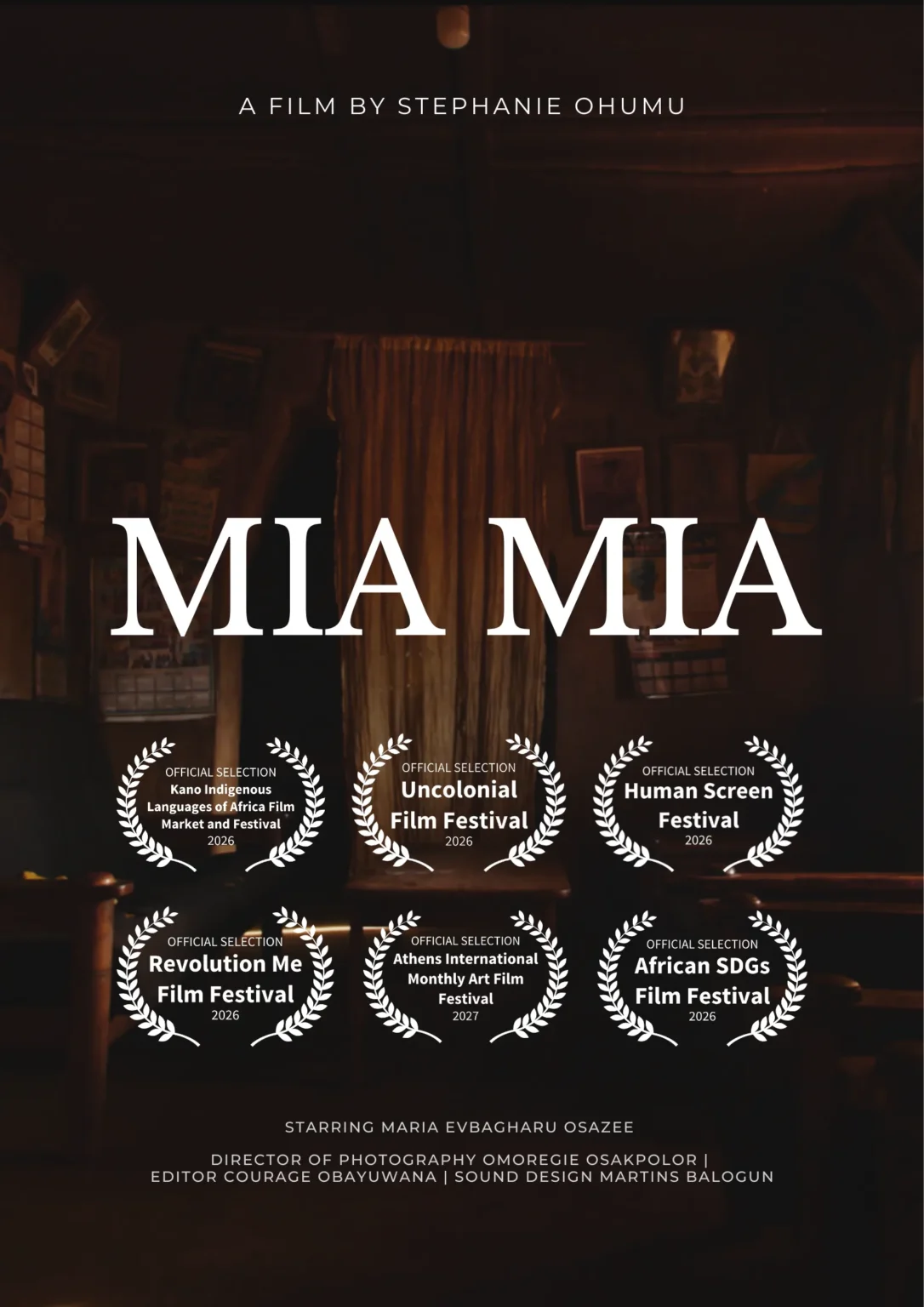
Stephanie Ohumu’s debut documentary Mia Mia anchors Edo Corpus, a self-funded archive pairing Edo transcriptions with English translations for research.
For filmmaker Stephanie Ohumu, a directorial debut is also the starting point for a much larger cultural preservation effort. Her 27-minute documentary Mia Mia introduces the Edo Corpus initiative, a self-funded project designed to record, transcribe and translate the Edo language for future generations.
The project places filmmaking alongside the careful work of building a structured digital archive. At a time when many Nigerian languages face declining everyday use, Ohumu’s approach shows how documentary storytelling can preserve not only personal memories, but also the sounds, songs and expressions that carry cultural knowledge.
A personal story with a wider purpose
Mia Mia follows Maria Evbagharu Osazee, an octogenarian Edo speaker reflecting on language and cultural loss. By centring an elder’s voice, the documentary gives the archive an intimate human foundation rather than treating language preservation as a purely technical exercise.
According to an interview-based report by What Kept Me Up, the film is Ohumu’s directorial debut and the first production developed through the wider Edo Corpus project. It premiered in Germany in August, with Nigerian and North American festival screenings also planned.
Those screenings could introduce audiences to a project that extends beyond the film’s 27-minute running time. The documentary serves as an accessible entry point into an archive intended to support research, licensing and possible public language-learning resources.
Building a machine-readable Edo corpus
Ohumu’s team has transcribed and translated three hours of speech and songs so far. The material is being organised bilingually, pairing Edo transcriptions with English translations in a format that can become useful to researchers and future digital tools.
The initiative is targeting 50 recorded hours by December 2026, while its longer-term ambition is to assemble 500 hours. Reaching those milestones would require sustained documentation, but the clearly defined targets distinguish Edo Corpus from a one-off film campaign.
Its self-funded structure also underscores Ohumu’s ownership and leadership of the work. Rather than waiting for a larger institution to begin the preservation process, the filmmaker is using an independent production to establish both a creative record and the foundation of a reusable cultural dataset.
Why Mia Mia matters for Nigerian cinema
For Nigerian filmmakers, Mia Mia offers a compelling example of how cinema can intersect with archival practice. Nigeria’s indigenous languages provide filmmakers with rich storytelling traditions, yet preserving the source material behind those traditions requires deliberate recording and organisation.
Ohumu’s project demonstrates that a documentary can do more than capture a moment: it can help create infrastructure for researchers, educators and future storytellers. As Edo Corpus grows, its significance will rest in whether personal testimony can become a durable resource without losing the humanity that made the story worth recording.
Join the conversation
How can Nigerian filmmakers and cultural institutions work together to preserve indigenous languages while keeping community voices at the centre?
Share your thoughts in the comments below.
Sources
Source links used to research and verify this article:
What Kept Me Up
No comments:
Post a Comment