
Image source: Original reporting / image source. Copyright remains with the respective owner.
Nigeria’s proposed Abuja Copyright Action Plan targets film piracy with coordinated enforcement, site blocking, monitoring and stronger rights protection.
Nigeria’s Federal Government is proposing a coordinated enforcement framework to confront the piracy draining income from the country’s film industry. The planned Abuja Copyright Action Plan could have major implications for Nollywood filmmakers, distributors and rights owners navigating an increasingly digital entertainment market.
According to a report by The Guardian Nigeria, the government estimates that piracy diverts roughly 70% of the revenue that should reach Nigeria’s film market. That figure is a government estimate rather than an independently audited calculation, but it illustrates the scale of the problem officials believe the industry faces.
A coordinated response to film piracy
The proposed action plan is intended to move Nigeria’s anti-piracy campaign beyond isolated interventions. It would identify specific actions, assign responsibilities to relevant institutions, establish implementation timelines and create mechanisms for monitoring compliance.
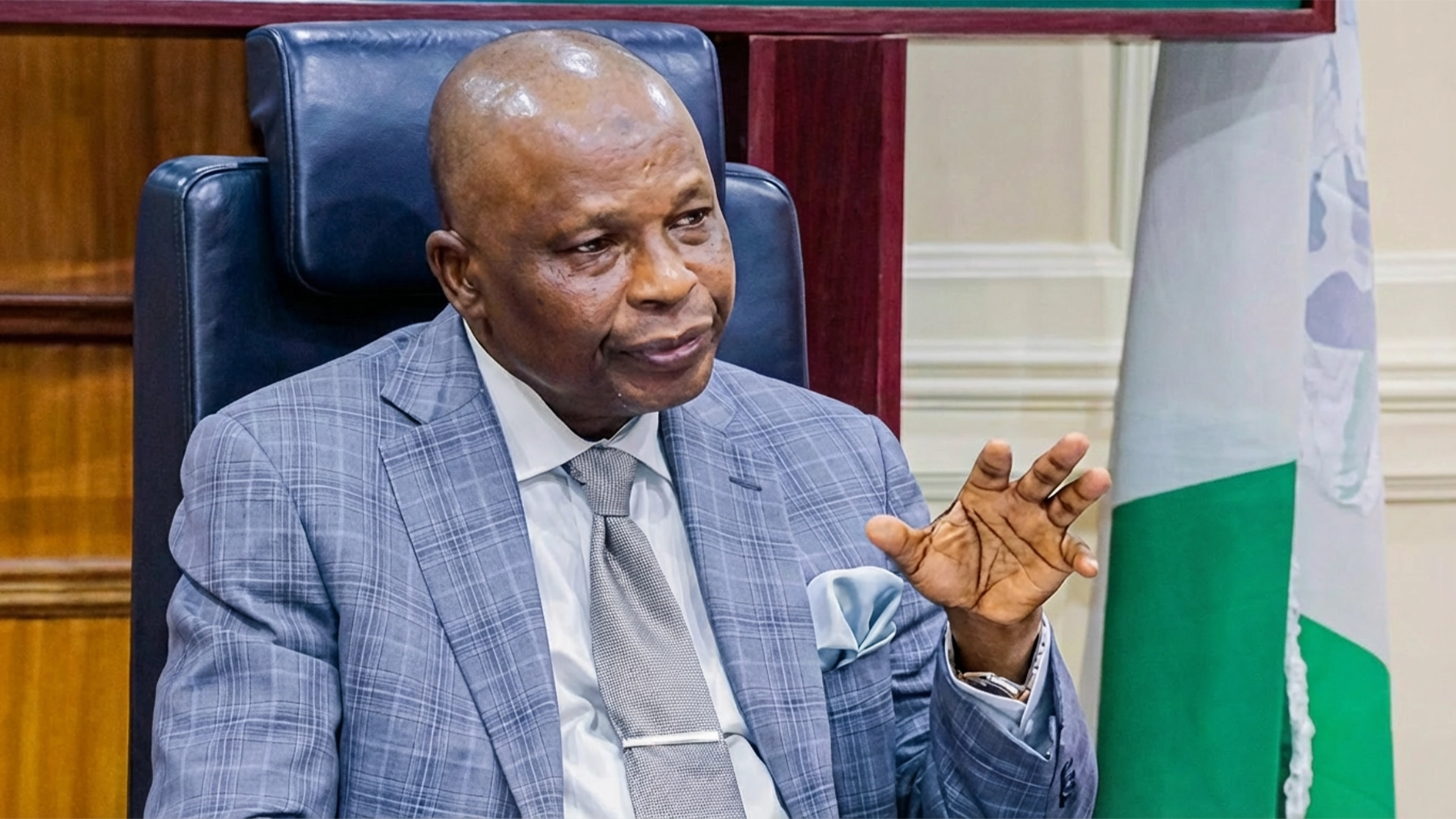
Attorney-General of the Federation Lateef Fagbemi called for cooperation among copyright authorities, security agencies, telecommunications operators, internet service providers, digital platforms and rights owners. Such coordination is particularly important because modern Nollywood piracy can involve websites, domains, social platforms and other online distribution channels that cross institutional boundaries.
The Nigerian Copyright Commission also reported that it has pursued takedown and domain-blocking operations alongside arrests and criminal prosecutions targeting piracy operations. The proposed framework could give these efforts a more structured foundation if participating institutions follow through on their assigned responsibilities.
Why the plan matters for Nollywood
For producers and filmmakers, piracy is not simply a question of unauthorised viewing. It can weaken revenue recovery, reduce the commercial value of legitimate distribution agreements and make it harder for creative businesses to reinvest in new productions.
Effective enforcement could also help audiences distinguish legitimate viewing channels from pirate platforms. However, the plan’s impact will depend on implementation, including how quickly institutions respond to infringements, how consistently digital services cooperate and whether rights owners can access practical enforcement tools.
WIPO Nigeria has offered technical support through resources including WIPO ALERT and the organisation’s Building Respect for IP framework. That assistance could strengthen information-sharing and help authorities address websites suspected of commercial copyright infringement.
The Abuja Copyright Action Plan remains a proposed enforcement framework, not a completed solution. For Nollywood, its real significance will be measured by whether clearly assigned responsibilities translate into sustained action, stronger rights protection and more film revenue reaching the people and companies that create Nigerian screen entertainment.
Join the conversation
Which part of the proposed anti-piracy plan should authorities prioritise to better protect Nollywood filmmakers and legitimate digital distributors?
Share your thoughts in the comments below.
Sources
Source links used to research and verify this article:
The Guardian Nigeria
No comments:
Post a Comment