
Image source: Original reporting / image source. Copyright remains with the respective owner.
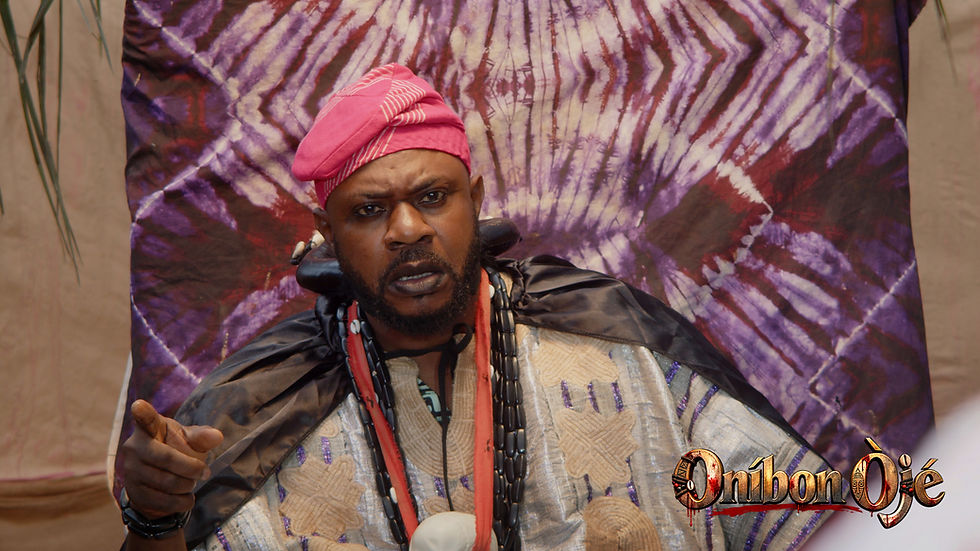
Onibọn Oje brings Odunlade Adekola’s warlord to Nigerian cinemas in a Yoruba epic filmed in Ibadan, co-starring Fathia Balogun and Kolawole Ajeyemi.
Onibọn Oje has arrived in Nigerian cinemas, placing Yoruba epic storytelling, warfare and resistance at the centre of a new large-scale theatrical release. The film opened on October 23, 2026, with Odunlade Adekola leading an established ensemble in a production created at an Ibadan film village.
The release is notable for audiences interested in culturally rooted Nigerian films made for the big screen. At a time when Nollywood productions can reach viewers through several distribution channels, this Nollywood movie release is taking the theatrical route through Tribe Nation Theatrical Distribution.
Odunlade Adekola leads a familiar ensemble
Adekola appears as the film’s warlord, bringing his strong association with Yoruba-language cinema to the central role. He is joined by Fathia Balogun, Kolawole Ajeyemi, Joke Muyiwa, Raphael Niyi, Rasaq Olayiwola and Bose Akinola.
That combination gives Onibọn Oje a cast featuring performers with considerable experience in Nigerian screen storytelling. While the distributor’s announcement highlights the film’s themes of warfare and resistance, it does not provide enough detail to support a fuller plot description. The focus, therefore, remains on the confirmed scale, cast and theatrical positioning of the project.
An Ibadan production built for cinemas
Mustapha Jayeola produced the film and co-directed it with Olawale Samson Adebayo. Production took place at Pacesetter Film Arena in Ibadan, giving the filmmakers a dedicated environment for staging the epic.
The choice of location is particularly relevant to Nollywood’s continuing production growth beyond Lagos. Purpose-built film spaces can help filmmakers mount ambitious stories while strengthening creative activity in other major Nigerian cities. For a project centred on conflict and resistance, access to a film village also points to the practical value of locations designed to accommodate expansive screen worlds.
Why Onibon Oje matters for Yoruba cinema
The cinema release gives audiences another opportunity to encounter Yoruba-language filmmaking in a theatrical setting. It also brings together recognisable actors, an Ibadan production base and formal cinema distribution—three elements that underline the industry infrastructure behind the film.
For Nollywood Spotlight readers, Onibọn Oje represents more than another title on the release calendar. Its arrival reflects the continued place of indigenous-language epics within Nigerian cinema and the efforts of filmmakers and distributors to present culturally grounded stories on the big screen.
Join the conversation
What elements do you believe a Yoruba historical or war epic needs to connect strongly with today’s Nigerian cinema audience?
Share your thoughts in the comments below.
Sources
Source links used to research and verify this article:
Tribe Nation Theatrical Distribution
No comments:
Post a Comment