
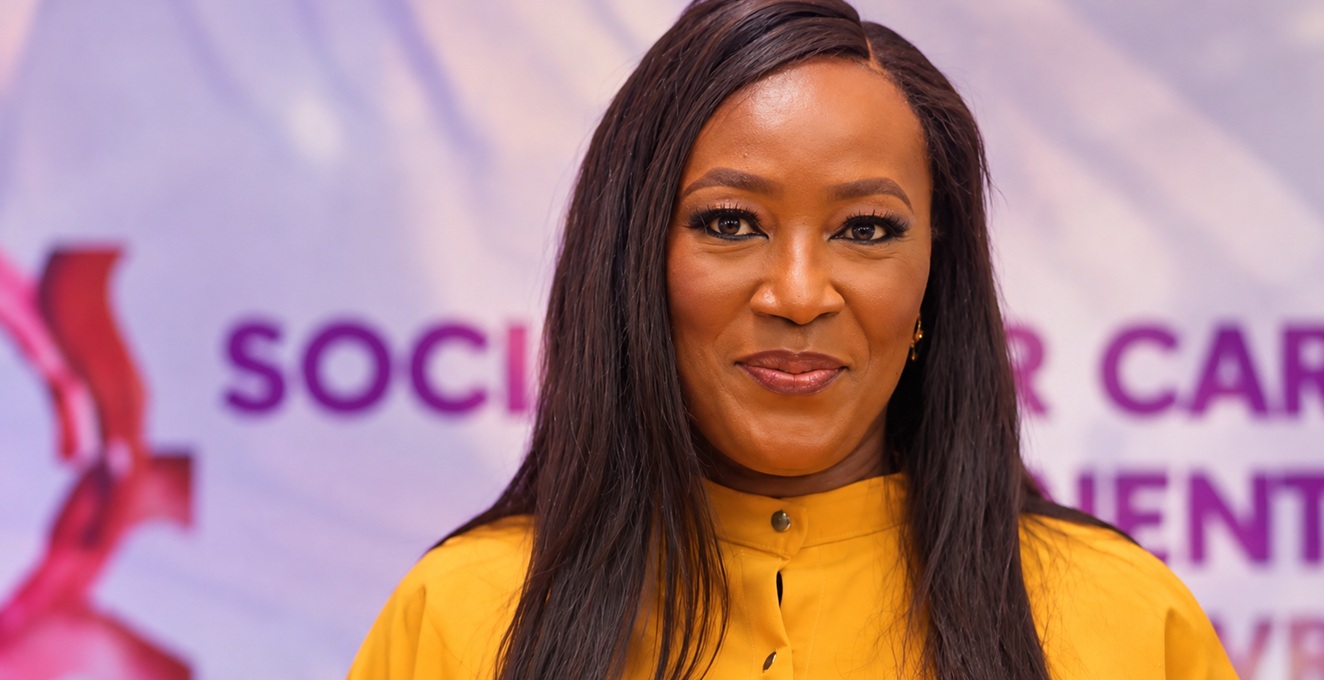
Image source: NTA. Copyright remains with the respective owner.
After years of captivating Nollywood audiences, Barbara Odoh is stepping behind the camera with The Break Point, an emotionally charged drama exploring sacrifice, domestic abuse, survival and the courage to reclaim one's dignity.
What happens when the person who promises to rescue you becomes the very person you need rescuing from?
That unsettling question lies at the heart of The Break Point, a new Nollywood drama marking an exciting career milestone for veteran actress Barbara Odoh.
After years of bringing characters to life on screen, Odoh is embracing an entirely new challenge: producing her first film.
But this is no ordinary career move. Rather than launching her producing journey with a lighthearted romantic comedy or glamorous blockbuster, Odoh has chosen a deeply personal and socially relevant story examining domestic violence, emotional manipulation, exploitation and the difficult choices people make when desperation leaves them with few alternatives.
In an interview published by the Nigerian Television Authority (NTA) on November 2, 2026, Odoh opened up about the inspiration behind the film, her responsibilities as a storyteller and why she believes Nollywood can help challenge harmful attitudes toward abuse.
One Desperate Decision Changes Everything
At the center of The Break Point is Telema, a young woman confronted with a devastating dilemma.
Her mother urgently needs life-saving surgery, but the financial burden threatens to place that treatment beyond reach.
Then comes an opportunity that appears to offer a solution.
A wealthy benefactor is willing to provide the financial assistance Telema desperately needs. However, his generosity comes with a condition: she must marry him.
Faced with the possibility of losing her mother, Telema accepts the arrangement.
Unfortunately, the decision that was supposed to save one life begins to destroy another.
What initially appears to be a marriage built on sacrifice gradually becomes a nightmare of domestic servitude, exploitation and abuse. Over the years, Telema finds herself trapped in circumstances that push her toward an emotional and psychological breaking point.
But how much suffering can one person endure before survival demands a different choice?
That question provides much of the film's dramatic tension while inviting audiences to examine the complicated circumstances surrounding abusive relationships.
Inspired by True Events, With a Message That Goes Beyond Entertainment
One of the most compelling aspects of The Break Point is that its story is described as being based on true events.
For Odoh, this makes the responsibility of telling it thoughtfully even greater.
Rather than presenting domestic abuse simply as dramatic entertainment, the actress-turned-producer wants viewers to recognize the human experiences behind the headlines and statistics.
Her story challenges the tendency to judge people for remaining in difficult or abusive relationships without first understanding the circumstances that limit their choices.
Telema's decision, for example, is not driven by greed or a desire for luxury. It begins with a daughter's desperate attempt to save her mother's life.
Yet the film also makes an important distinction: understanding the pressures that make someone vulnerable does not excuse the behavior of those who exploit that vulnerability.
Through Telema's experiences and other interconnected stories, The Break Point explores the consequences of coercive control, emotional suffering, financial dependence and the struggle to preserve personal dignity.
Barbara Odoh Wants Nollywood to Start Difficult Conversations
For Barbara Odoh, filmmaking offers an opportunity to do more than entertain audiences for a few hours.
She believes stories can challenge behaviors society has come to accept as normal, particularly when those behaviors contribute to the suffering of vulnerable people.
During her NTA interview, Odoh emphasized the importance of portraying survivors with compassion and avoiding sensationalized depictions of their experiences.
Her approach raises an important question for Nollywood filmmakers: Can a movie about domestic abuse be emotionally powerful without turning someone's suffering into spectacle?
Odoh believes responsible storytelling requires looking beyond individual incidents of violence to examine the social pressures, power imbalances and psychological consequences that surround them.
She also sees value in discussions involving professionals and organizations working to address gender-based violence.
In this sense, The Break Point is being positioned not simply as a drama about one woman's difficult marriage, but as a story intended to encourage audiences to recognize harmful patterns and consider what meaningful change could look like.
From Leading Lady to Creative Decision-Maker
Another fascinating element of this project is Odoh's decision to expand her career beyond acting.
For years, her contribution to Nollywood has centered on interpreting characters and bringing scripts to life through performance.
Now, as a producer, she has an opportunity to influence the stories audiences encounter and the messages those stories communicate.
This transition represents a significant creative step.
Producing involves a different set of responsibilities, including helping shape a project's direction and making decisions that influence how its central themes are presented.
For Odoh, however, moving behind the camera does not necessarily mean abandoning acting.
Instead, she views producing as another avenue through which she can contribute to Nigerian cinema and develop stories that remain meaningful long after audiences finish watching.
Her ambitions suggest that The Break Point could mark the beginning of a broader filmmaking journey focused on socially conscious entertainment.
Why The Break Point Is Heading to Streaming Instead of Cinemas
Interestingly, Odoh is taking a different approach to the film's planned distribution.
Rather than beginning with a traditional theatrical release, The Break Point is being prepared for a streaming-platform debut.
According to her NTA interview, the decision reflects a desire to make the story accessible to audiences across different geographical locations, including viewers who may not have convenient access to cinemas.
For Nollywood, streaming offers filmmakers another way to connect with viewers in Nigeria and throughout the diaspora.
It may also be particularly suitable for intimate, socially driven stories that depend on audience reflection and discussion rather than theatrical spectacle.
However, the streaming platform has not yet been identified, and an official release date has not been announced.
Fans interested in watching The Break Point will therefore have to watch for further announcements regarding its availability.
Could The Break Point Become One of Nollywood's Most Discussed Social Dramas?
Nollywood has long explored the complexities of marriage, family expectations, financial struggles and domestic conflict.
However, the success of a film addressing abuse does not depend solely on how emotionally intense its storyline becomes.
Its real strength may lie in how effectively it helps viewers understand the people behind those experiences.
With The Break Point, Odoh is entering a challenging creative space where compelling drama and responsible storytelling must work together.
And while it is too early to judge the finished film, its premise certainly offers plenty of material for meaningful discussion.
Will Telema find a way to reclaim her freedom? How will the story explore the consequences of her marriage? And can Odoh's first production deliver the emotional impact and sensitivity its subject deserves?
Those are questions audiences will be able to explore once the film becomes available.
One thing is already clear: Barbara Odoh is beginning her producing career with a story that asks Nollywood audiences to look beyond appearances and consider the hidden struggles that can exist behind closed doors.
Join the Conversation
If you were in Telema's position, facing a choice between saving someone you love and entering a marriage you did not truly want, what would you do?
And do you think Nollywood should produce more films that tackle difficult issues such as domestic abuse, coercive control and mental health?
We would love to hear your perspective. Share your thoughts respectfully in the comments below and join the conversation with the Nollywood Spotlight community.
Sources
Source links used to research and verify this article:
NTA — Barbara Odoh on The Break Point, Gender-Based Violence and Her New Chapter as a Film Producer

No comments:
Post a Comment